
Understanding silviculture approaches
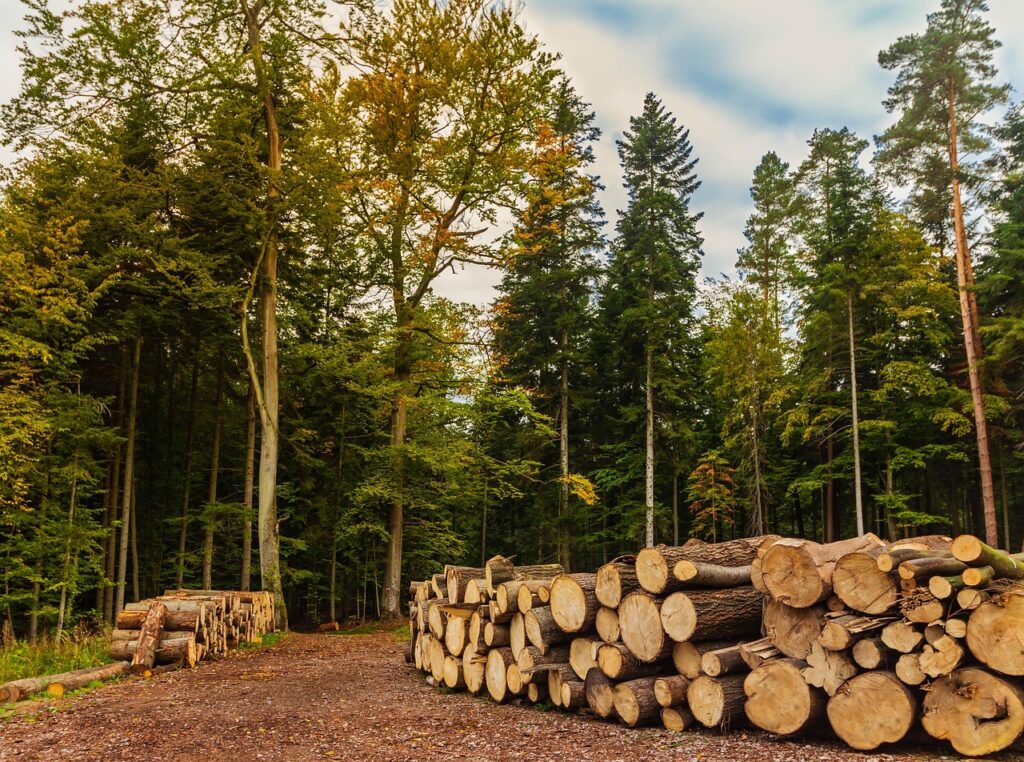
Silviculture refers to the practices of how people cultivate, harvest, and manage forests. These are production silviculture and conservation silviculture. Production silviculture puts the emphasis on cultivating trees for lumber, paper, and other items that people consume or market. This route typically implies fast-growing species, abbreviated rotations, and practices that seek to produce more wood more quickly. Conservation silviculture tends forests for nature, not just timber.
It strives to maintain multiple species of flora and fauna, pure water, fertile soil, and ensure forests are sustainable for generations to come. These two roads may appear to conflict, but they have common territory.
- Primary objectives. Production silviculture tries to extract the maximum amount of wood or forest products per hectare, often as quickly as possible. It values every tree, and the ultimate aim is to generate income, employment, and sustained yield. Typical examples are tree farms or silviculturally managed woods, where trees are planted and harvested according to a schedule. Conservation silviculture cares about saving all life in the woods to maintain its rare plants, animals, and ecosystem functions. Here, it’s about clean air, water, and how a forest helps combat climate change by storing carbon.
- Methods and instruments. Production silviculture applies planting, cutting, and thinning to produce the most trees to harvest. For instance, they could have clear-cut a land, then plant it in rows with just one type of tree like pine or eucalyptus. Fertilizers, pest control, and short rotations are used. Conservation silviculture applies less brutal methods. Folks could grow trees old, leave bear-snacking dead wood in the woods, and interplant species to mimic natural forests. Cutting is infrequent or in small openings to minimize damage. Controlled burns or low-impact logging assist nature, not to harvest more wood.
- What emerges. Production silviculture typically results in a lot of wood and money but can result in reduced biodiversity, soil loss, or water issues if unchecked. Conservation silviculture maintains biotic diversity in forests, supports rare species, and maintains soil and water quality but generates less timber and revenue.
There are some tricks and care points common to both paths. They both require good soil, vigorous young trees, and a method to maintain forests into the next cycle. For instance, each may use soil checks to prevent loss from heavy rain or plant mixed trees to reduce pests. Both can operate under fixed harvest quotas to prevent forests from shrinking too quickly. In others, they mix the two, such as employing mixed-age trees or leaving wildlife strips of forest when logging.
Ecological impacts and scientific insights
Production silviculture and conservation silviculture impact forests in drastically different manners. Both approaches have ecological consequences, but their effects, dangers, and advantages are most notable when examined in comparison. Our forest management decisions determine how we balance biodiversity, economic needs, and climate change for the long term. Knowing how each approach operates on the ground informs the goals that future forests are set to achieve.
Production silviculture can be clear-cutting, even-aged stands, or fast-growing monocultures. These strategies seek to increase wood production, but they come with compromises. Clear-cutting on a wide scale can eliminate habitats altogether and reduce species diversity. When forests shed their plant layers, soil becomes more dehydrated at a faster rate, and this can alter the cycle of nutrients such as nitrogen and carbon. Less ground cover means fewer insects and arthropods, potentially damaging food webs. Research indicates that leaving more than 60% of the trees in a stand is critical for maintaining insect populations similar to those in ancient, unmanaged forests. Partial cutting, like selective harvesting, can accelerate tree growth; radial growth can increase as much as 62% eight to ten years after cutting, but it can also thin out the stand if too many trees die post-harvest. Mixed-species stands — birch with pine — can be a happy medium. They maintain stem volume up to 105% of single-species stands and encourage more biodiversity. If harvest intensity is too high, forest health can decline quickly.
Conservation silviculture prioritizes the well-being of the entire forest. This method seeks to maintain natural processes by preserving old trees, retaining deadwood and using selective harvests. It helps forests recover from stress, retain clean water, and store more carbon in trees and soil. Mixed stands and uneven-aged management support resilience to storms, pests, and climate swings. For instance, in regions with higher late-spring frost risk, like some regions in Europe and Asia, species diversity can reduce damage. Conservation silviculture considers soil and water, recognizing that alterations such as drainage can reduce methane output or potentially transform wetlands into carbon sinks. This broader perspective keeps forests functioning for wildlife, people and the planet.
Decades of science reveal that either system carries losses and benefits. Production silviculture can deliver rapid growth and maximal yield, but may pay a premium in diminished biodiversity and compromised ecosystem services. Conservation silviculture might reduce wood production but maintain forest resilience. Tree recruitment, growth, and stand structure shift with forest management. Scientists agree that forests are complicated and require adaptive, location-specific planning. New climate data, like shifting frost dates, tell us that what works now will need to change soon.
Adaptive management and close monitoring are pivotal in addressing these issues. Managers must monitor for subtle changes in tree vitality, insect populations, or soil composition and adjust their techniques accordingly. Forests can thus address both today’s demands and those of the years to come.
Social and cultural dimensions
For many, forests mean much more than money. For numerous indigenous populations and village communities, woods are bound to cultural identity, heritage and even religious beliefs. There are trees of ritual significance, and certain forests safeguard holy sites or graves. In numerous locations, they transmit teachings to care for the earth and use forest products in a manner that sustains nature and culture. Traditional cultures tend to view forests as an ecosystem, not merely as lumber or income. This keeps ancient trees protected and allows endangered species to flourish, preserving both culture and biodiversity.
Production silviculture is wood, pulp, or other forest products at a large scale. That can bring employment and revenue to the countryside, but it can transform traditional cultures. When corporations clear large tracts of land or monocrop a single kind of tree, communities can lose access to food, medicinal plants, or hunting and gathering grounds. Sometimes communities were even relocated or disrupted in their traditions. The effect may not be equitable; some individuals thrive more than others and social justice over the long term can be an issue. On the flip side, conservation silviculture seeks to maintain forests’ integrity. It can guard water, prevent soil erosion, and aid indigenous cultures in persevering. It could restrict land available for agriculture or logging, impacting local employment or livelihoods.
The human relationship with forests is influenced by culture, law, and public perception. In other countries, governments have long defined the rules, but this is shifting. Now, more constituencies desire a voice, from indigenous populations to urbanites who enjoy trails or fresh air. Getting all parties to the table is crucial. When local voices are involved in forest planning, it tends to turn out better for nature and for people. Locals may know which trees are sacred, which parts must remain wild, and how to utilize wood without over-harvesting. A nice illustration of this is community forestry in Asia and Africa, where locals have a say in what gets cut and what remains. Even where conservation objectives are paramount, hearing stakeholders out tends to generate more buy-in and more enduring impact.
| Approach | Social Benefits | Social Drawbacks |
| Production Silviculture | Jobs, income, local business growth, rural stability | Loss of traditions, unequal benefits, displacement |
| Conservation Silviculture | Protects heritage, supports traditional ways of life | Limits on resource use, possible job loss |
Political and economic influences
Politics and money are a huge factor in how forests are managed. The politics and economics of forestry affect its regulations and options, which are usually influenced by governments and by world markets. Forests aren’t mere clusters of trees; they’re connected to livelihoods, commodities, and entire economies.
Political and economic forces Government policies, subsidies and regulations establish what may be permitted in forest lands. Most have regulations that govern when, where and how trees get felled. These rules are not uniform. Some sites demand rapid wood growth while others require rigorous protection measures. Policies can alter the form of silviculture. For instance, a government could pay landowners to plant new trees or preserve old forests. These incentives, such as reforestation programs and tax breaks for sustainable management, can guide landowners to select one approach or the other. When governments impose stricter regulations on clear-cutting or habitat disruption, it may hinder production silviculture and allow more space for conservation-oriented projects. Meanwhile, weak rules or inadequate checks can result in overexploitation, particularly in regions where timber forms a major economic sector.
Global markets, certification schemes and trade agreements similarly direct forest management. Demand for wood products—paper, lumber, fuel—can increase the rate at which forests are exploited. High prices mean more temptation to pick production silviculture and delay conservation. Trade agreements and tariffs impact where wood products are shipped and how much is produced, helping to shape what silviculture ends up looking like on the ground. Most countries participate in certification schemes these days, where wood is inspected and marked as sustainable. Labels such as FSC or PEFC have become more prevalent. These programs assist purchasers in selecting wood that originates from wisely managed forests. This can nudge markets to incentivize sustainable silviculture and not simply rapid expansion.
Political and economic forces—There are genuine trade-offs here between the short-term profits of timber and the long-term benefits of maintaining forest health. It generates employment and revenue, particularly in rural areas, which can help communities thrive. If it’s too much about immediate profit, the cost in terms of clean water, fresh air and wildlife can be enormous. By protecting forests, you’re improving flood control, carbon storage, and providing habitats. Occasionally, these advantages are difficult to observe in monetary terms, so they fall out of planning and regulation.
We’re now more likely to price things like carbon storage or recreation. At least some experts say policies should account not only for timber revenues but the worth of non-timber amenities. By interlacing these values into political legislation and economic strategies, leaders can balance the actual costs and benefits of each direction. This increases the odds of striking a healthy balance between generating revenue and preserving forests intact over the long term.
Integrative management strategies
Striking a healthy balance between production and conservation silviculture is crucial for forests that need to provide multiple services. Multiple-use forestry and landscape planning integrate timber harvest, wildlife habitat, water supply, and recreation. These plans take the forest as a system, not a single crop or resource. They consider how trees, soil, water, and living things collaborate across an entire region, rather than on a single tract. This big-picture perspective aids planners in identifying where to cultivate lumber and where to safeguard endangered flora, fauna, or ancient trees.
Zoning is one method of dividing separate objectives on common ground. In zoning, foresters divided the forest into sections with specific regulations for each. Some areas permit selective timber harvest and others conserve streams and wetlands. Buffer zones are forest strips left along rivers, lakes, or sensitive habitat. They prevent soil and chemicals from running off into water and provide wildlife safe passageways to travel through the forest. Selective logging involves taking some trees while leaving enough cover and sustenance for birds and animals. It assists in maintaining stable soil and allows new trees to mature for the upcoming harvest. This way, forests can produce wood and preserve many of their intrinsic values.
Cooperating is as important as any guideline or scheme. Foresters, ecologists, policymakers, and locals all contribute various expertise and perspectives. When these groups collaborate, they can identify vulnerabilities or requirements others may overlook. Occasionally, locals know best about what places are unique for nature or culture. Ecologists might indicate where rare plants may grow or how water flows through the terrain. Executives ensure new policies align with regulations and financial plans. The most effective plans take all this input to make decisions that endure and succeed across multiple communities.
Certain provinces have already implemented these concepts successfully. Here are a few examples:
- Sweden’s landscape-level planning connects timber harvests with large protected areas, benefiting wood supply and old-growth habitats alike.
- Costa Rica’s payment for ecosystem services pays landowners to keep forest cover and mixes small-scale timber harvest with biodiversity objectives.
- Canada’s boreal agreements join timber firms, First Nations, and governments to designate critical caribou areas as off-limits while permitting selective logging in other locations.
- New Zealand’s riparian buffer rules help protect rivers in plantation forests and balance water and timber income.
- Germany practices continuous cover forestry, eschewing clear cuts and intermingling native and commercial species for stable yields and good habitat.
Wild ungulates and ecosystem balance
Wild ungulates such as mule deer and moose sculpt forest ecosystems in numerous fashions. Through their grazing, browsing and traveling patterns, they transform the way plants grow and propagate. As they graze, they nip at young shoots and leaves, stunting the growth of certain tree species and allowing others to thrive. This in turn helps keep the diversity of plants high. Ungulates disperse seeds by traveling. As they graze, seeds adhere to their coats or traverse their digestive tract and are deposited in fresh locations. This aids plant dispersal across the landscape and increases forest vitality.
Wild ungulate populations vary with forest management decisions. How the land is cut, the age of the clearings, and forest preparation all contribute. In other areas, leaving some older trees or small pockets of forest behind after logging provides wild ungulates with food and shelter, which tends to stabilize their populations. Excessive cutting or insufficient cover can drive animals away or cause them to congregate in tight spaces. This can result in over-browsing, with starving ungulates consuming nearly every accessible morsel. Over time, this can decimate young trees and rare plants, leaving forests less biodiverse and more difficult to regenerate. If ungulates are too few, certain plants may sprout unchecked, overpopulating and shoving out other species, thereby altering the natural blend of vegetation.
The combo of ungulate and predator populations counts as well. Where wolves or coyotes roam, they keep ungulate populations at bay. This balance prevents any one species from dominating. If predators disappear, ungulate populations can soar, causing severe browsing and reduced forest regeneration. If there are excessive predators or insufficient prey, ungulate populations fall too low. This may bog down seed dispersal and leave some plants overgrown. How land is used disrupts these patterns. Roads, farms, and towns slice up habitats and make it difficult for animals to roam and feed. That in turn can result in uneven browsing and patchy forests that do not sustain a wide variety of species.
Maintaining forest health requires monitoring fluctuations in ungulate populations. Routine observation assists in detecting issues at an early stage, such as excessive population density in one location or insufficient numbers elsewhere. Employing technologies such as camera traps, track counts, or aerial surveys provides managers with explicit information. When numbers get too high, culls or re-establishing predators can bring them down. If they are too low, rewilding or habitat enhancement can increase them. These measures are most effective when combined with adaptive management strategies that evolve with the situation.
Challenges and emerging solutions
Struggling against these obstacles, new silviculture solutions are appearing. Climate change is at the forefront. Impacts vary widely, not just between entire forests but even from stand to stand. In some cases, changes in rainfall or temperature can render seeds unable to germinate or young trees unable to thrive. Such shifts often manifest initially on the periphery of a species’ range, but forests at the center aren’t spared from experiencing these effects. Silviculturists will typically struggle to define what change will mean on the ground as local conditions can shift rapidly and with little notice.
Invasive species add insult to injury. Emerging pests and diseases travel on global trade routes, imperiling native trees and the broader forest community. Forest managers have to balance conflicting land uses as well. Logging, agriculture, and development all vie for land and resources. This tension can put conservation at risk or pressure production goals in ways that make it difficult to maintain forests in a healthy and useful state over the long term.
Technology provides some hope. Remote sensing, through drones and satellites, enables managers to monitor tree health, detect outbreaks, and schedule interventions without disrupting the terrain. Genetic tools assist in selecting tree species that could be more resistant to drought, insects, or changing weather. For instance, seed sources that germinate better in new climates can be tested to help forests adapt. These tools accelerate what was formerly slow and delicate labor and assist managers in reacting to shifts before they become unmanageable.
Building skill and understanding is just as key. Training programs are helping local workers, landowners, and decision-makers read new risks and wield the best tools. Workshops, online courses, and field days provide people with the expertise to identify issues early, utilize technology tools, and balance timber and ecosystem requirements. In most areas, sharing knowledge internationally allows individuals to benefit from one another’s successes and errors.
| Policy Trends | Collaborative Models |
| Climate adaptation in management plans | Multi-stakeholder forest partnerships |
| Incentives for structural diversity | Community-based monitoring and decision making |
| Support for carbon offset projects | Transboundary ecosystem management |
| Legal frameworks for ecosystem services | Shared benefit agreements with local communities |
Silviculture is shifting. Innovative strategies demand forests that endure transformation and do not simply grow lumber. Managers are now incorporating diversity by blending tree ages, species, and spacing to maintain flexible stands. The irregular shelterwood, for example, allows you to sculpt mixed-age forests that increase biodiversity of wildlife and plants. These shifts increase resilience and maintain ecosystem services such as clean water, carbon storage, and wildlife habitat. With the help of tools such as carbon projects and wood substitution, forests can even aid in reducing greenhouse gases.